
Vinod Khosla has expressed considerations that developments in AI and quantum computing could compromise present encryption strategies by 2030, particularly highlighting potential dangers to cryptocurrencies. Khosla’s feedback, shared on social media, recommend that the intersection of AI capabilities and quantum computing could undermine the security of digital belongings that depend on cryptographic strategies corresponding to elliptic-curve signatures. This prospect introduces uncertainty into the cryptocurrency market, notably affecting belongings like Hyperliquid, which depends on such cryptographic requirements for safe transactions.
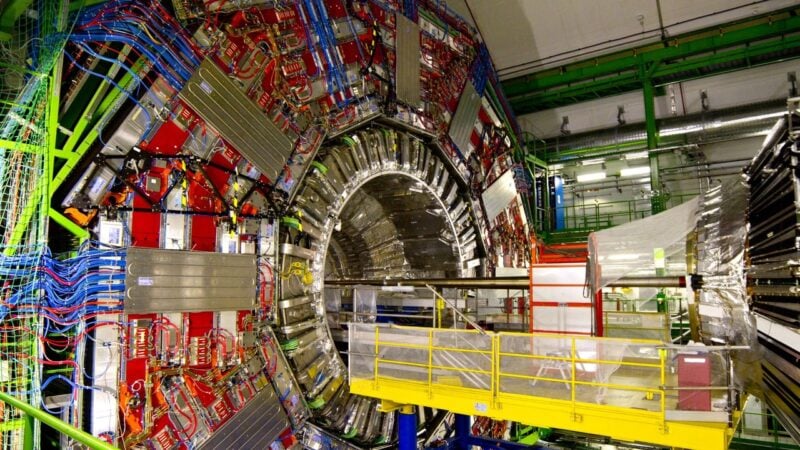
The potential for quantum computer systems to interrupt present encryption strategies has been a subject of dialogue amongst cryptographers, prompting ongoing efforts to transition to post-quantum cryptographic requirements. Nevertheless, the timeline for reaching a sensible quantum risk stays unsure, and there isn’t any fast consensus on when such a risk would possibly turn into viable. In the meantime, the Nationwide Institute of Requirements and Know-how (NIST) is actively engaged on growing new requirements to safeguard in opposition to these future dangers.
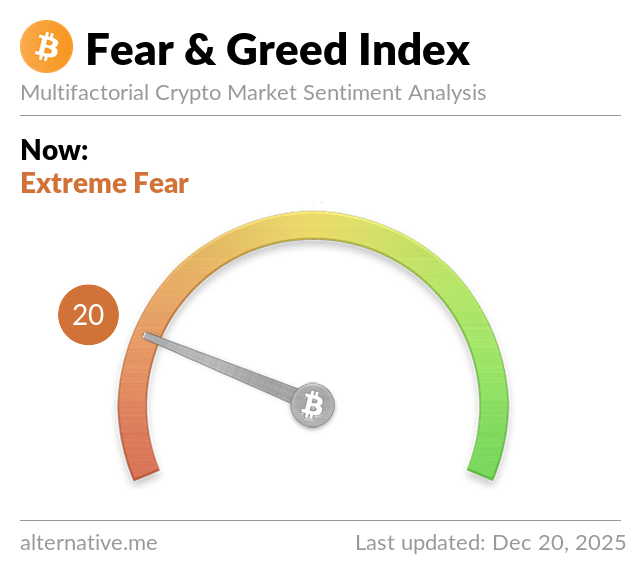
Markets have proven a response to Khosla’s feedback, with Hyperliquid’s worth prediction markets reflecting a lower in confidence. The chances for Hyperliquid reaching $100 by the top of 2026 have seen minor fluctuations, at the moment standing at an 8.5% probability, with pricing seemingly factoring within the potential elevated danger to encryption-dependent belongings.
Key Takeaways
- Khosla’s remarks recommend a possible future danger to cryptocurrencies from AI and quantum computing developments.
- The cryptocurrency market, together with Hyperliquid, seems to be reacting to those considerations, as evidenced by fluctuating prediction market odds.
- Present cryptographic techniques face a transition in direction of post-quantum requirements, but the timing of sensible quantum threats stays unsure.
What to Watch
Observers are intently monitoring developments in quantum computing and AI that could affect encryption requirements. Any development in these fields could additional affect market sentiment and pricing for cryptocurrencies like Hyperliquid. Moreover, ongoing efforts by NIST and different organizations to ascertain post-quantum cryptographic requirements will probably be essential in figuring out the long-term security of digital belongings. Look ahead to updates on cryptographic transitions and any vital technological breakthroughs that could alter present danger assessments.