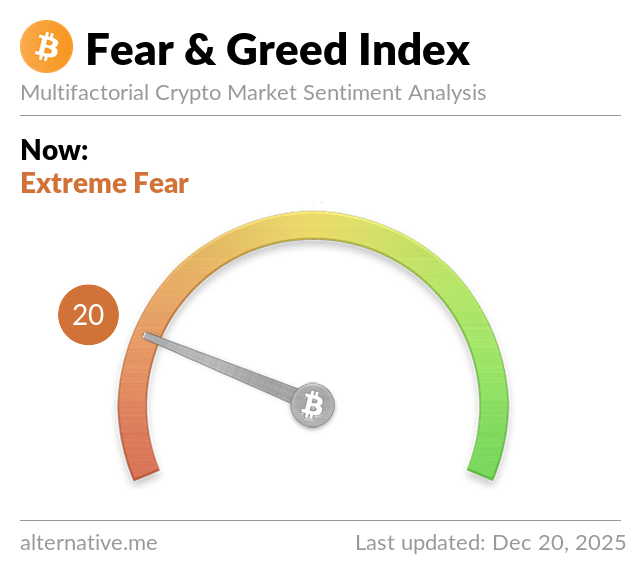
Inflation has been a wrecking ball for threat belongings like cryptocurrency. The usual sequence of occasions is nicely rehearsed at this level: Costs rise quicker than desired, the Federal Reserve hikes rates of interest, which then causes liquidity to dry up, leaving cryptos to endure a drought of capital that sends costs decrease. Alas, we might be in for one other go round, because the Client Worth Index (CPI) for Could 2026 posted a 4.2% year-over-year enhance, making it the most well liked studying since April 2023.
However, there is a little bit of a wrinkle to the dynamic. One cryptocurrency’s income mannequin now plugs instantly into short-term Treasury yields, so the warmer inflation runs, the extra money it makes for doing nothing. Let’s unpack how that works and why it means Hyperliquid (HYPE +5.59%) may benefit from larger inflation.

Picture supply: Getty Photographs.
This deal turned larger charges right into a tailwind as an alternative of a headwind
Hyperliquid is a decentralized perpetual futures change, and it additionally points a token known as Hype.


For the uninitiated, perpetual futures contracts are a kind of economic by-product that lets traders guess on whether or not the worth of an asset goes to extend or lower however with out the standard constraint of getting a deadline for the guess to play out. So what Hyperliquid does is present a platform on which merchants can create markets for these perpetual futures for whichever belongings they like. However for folks to commerce, they should maintain some stablecoin capital parked on the change. And Hyperliquid simply devised an ingenious strategy to monetize that capital.
In brief, the platform lately restructured its relationship with the USDC stablecoin issuer, Circle Web Group, and Circle’s main distributor, Coinbase World. Beneath the brand new framework, 90% of the cost-adjusted reserve yield on USDC held by Hyperliquid now routes to purchasing again its personal Hype token on the open market to scale back the availability excellent and supply a inventory buyback-like return to its holders. It additionally helps to give the token its value.

In the present day’s Change
(5.59%) $3.11
Present Worth
$58.82
Key Knowledge Factors
Market Cap
$13B
Day’s Vary
$55.66 – $59.57
52wk Vary
$20.52 – $75.46
Quantity
769.3M
About $6.1 billion in USDC is parked on Hyperliquid in the mean time, up 20% through the previous 30 days. On the present short-term Treasury yields, that sum produces an estimated $135 million to $200 million to purchase again tokens yearly. These buybacks will likely be added to the even bigger bulk of ongoing buybacks which are derived from buying and selling exercise on the Hyperliquid platform, which had been value greater than $176 million within the first quarter of 2026.
And here is the place the everyday rates-versus-crypto relationship is inverted. Every 25 foundation level uptick in short-term Treasury yields provides about $14 million in extra annual income on the present stability. A 50 foundation level hike would thus add about $28 million yearly.
So if inflation runs scorching and the Fed raises charges to combat it, it would primarily give Hyperliquid and its holders a increase for no extra effort.
The authorized subject that would derail it
The above scheme works regardless of the lately handed Genius Act, which bars fee stablecoin issuers from paying curiosity or yield to coin holders instantly. The legislation seems to be silent on whether or not exchanges and protocols pays stablecoin-based yield to one another not directly, therefore the method of the stablecoin issuer Circle utilizing Coinbase because the yield distributor to the protocol (Hyperliquid).
That grey space is now beneath some scrutiny. The U.S. Treasury proposed implementing guidelines in April that would not directly tighten the construction. Regulatory rulemaking, litigation, or follow-on laws might quickly shutter this chance.
Apart from that chance, Hyperliquid is a useful asset, nevertheless it is not bulletproof. Aggressive Fed charge cuts to fight an financial slowdown would shrink its yield income, and stablecoin capital might depart its platform for greener pastures.
Nonetheless, the funding case right here is unusually interesting. It is a crypto token with a built-in hedge towards the macro surroundings that sometimes punishes its friends, and its tokenomics make sure that holders are rewarded with a relentless stream of meaty buybacks. It is fairly a dangerous play — the competitors is hard, rising, and often better-resourced. But when your crypto portfolio is already packed with safer investments, it is value a small buy.