
Related articles


Fast overview
- Monetary knowledgeable Levi praised the SEC’s September 25 steering as a big win for the crypto trade and XRP.
- The SEC’s new FAQs make clear how securities legal guidelines apply to community upkeep, token buybacks, and liquid staking.
- Whereas the steering presents readability, it’s not binding legislation and the SEC will proceed to guage digital belongings on a case-by-case foundation.
- Key areas addressed embrace the non-automatic classification of community upkeep and token buybacks as funding contracts.
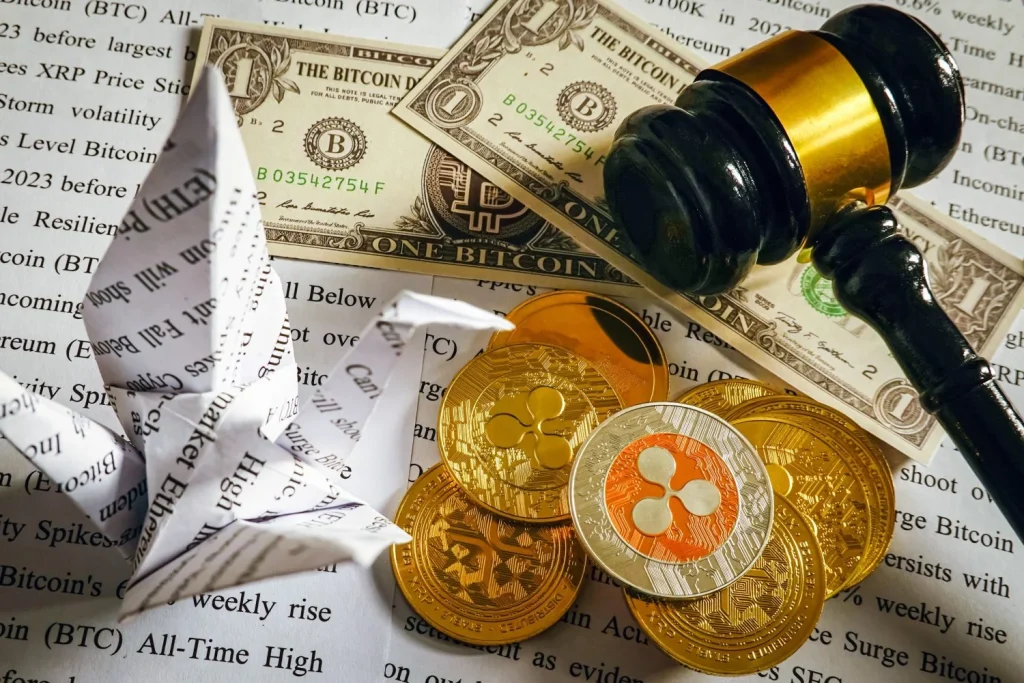
Monetary knowledgeable Levi known as the SEC’s September 25, 2026 steering a “huge” win for the crypto trade and XRP. After a joint SEC-CFTC launch in March categorised XRP as a digital commodity, the SEC’s Division of Company Finance issued new FAQs explaining how securities legal guidelines apply to practical networks, token buybacks, and liquid staking.

Whereas Levi hailed the replace on X as a serious bullish catalyst, the SEC clarified that the doc represents employees interpretations moderately than binding new legal guidelines or exemptions, that means the company will proceed evaluating digital belongings on a case-by-case foundation.
Here’s a clear, concise, {and professional} rephrasing of the textual content:
Key Takeaways from the SEC’s Crypto Guidance
The SEC’s September 25 steering offers much-needed readability for mature crypto networks, addressing three principal areas: Community Upkeep: Routine safety, maintenance, or technical enhancements on totally practical networks don’t robotically rely as the “managerial efforts” required to set off an funding contract below the Howey check.
Token Buybacks: Buybacks on decentralized, operational networks don’t robotically represent funding contracts; legality relies on transaction mechanics and whether or not revenue expectations stem from managerial efforts.
Liquid Staking: Sure liquid staking receipt tokens can signify underlying digital commodities with out inherently forming an funding contract. Whereas these factors cut back uncertainty for builders and market contributors, the SEC emphasised necessary limitations.

Olumide Adesina
Monetary Market Author
Olumide Adesina is a French-born Nigerian monetary author. He tracks the monetary markets with over 20 years of working expertise in funding buying and selling